

LUMS Faculty Showcases Bill & Melinda Gates Foundation-funded Project at the 78th UN General Assembly
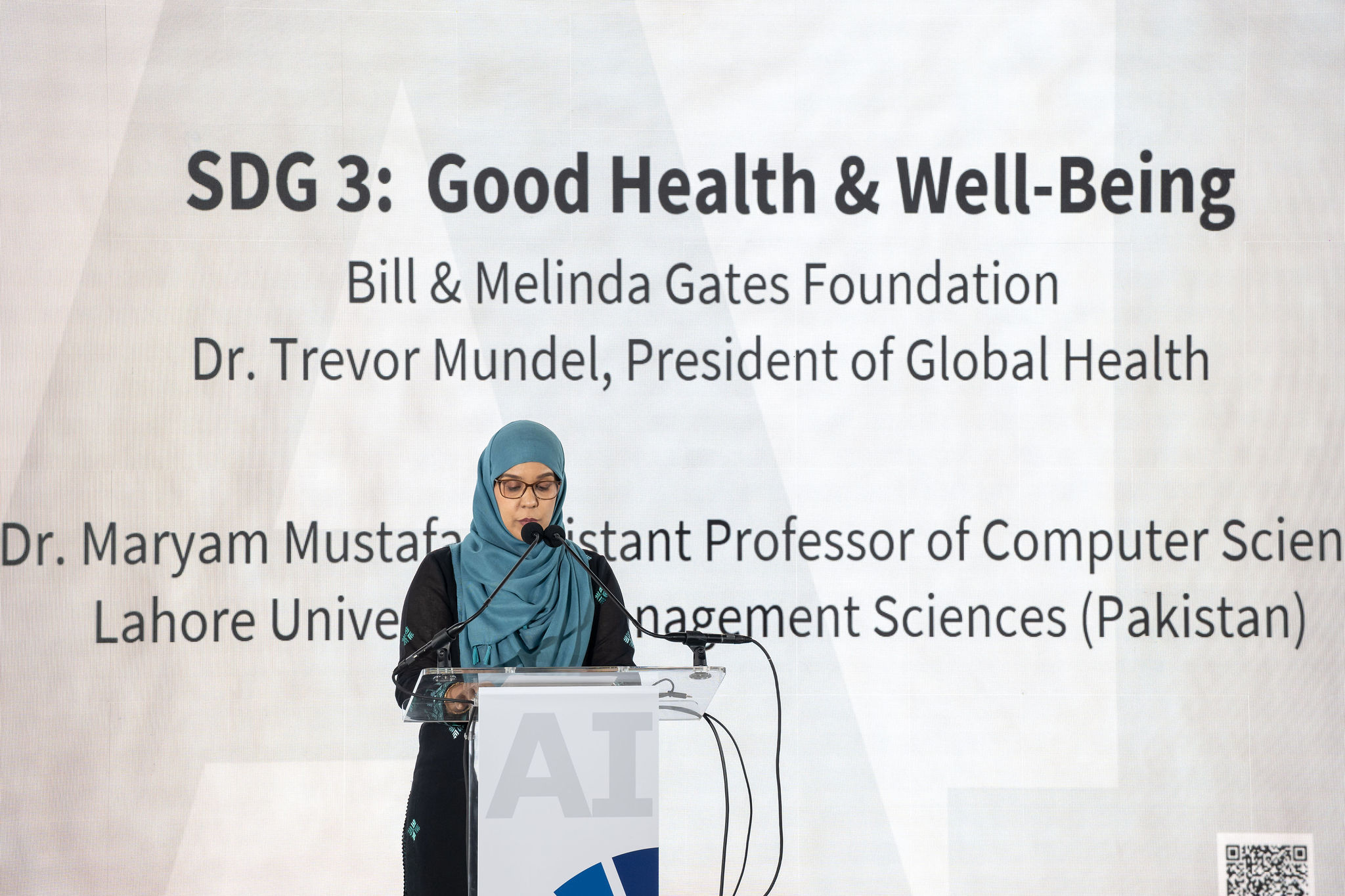
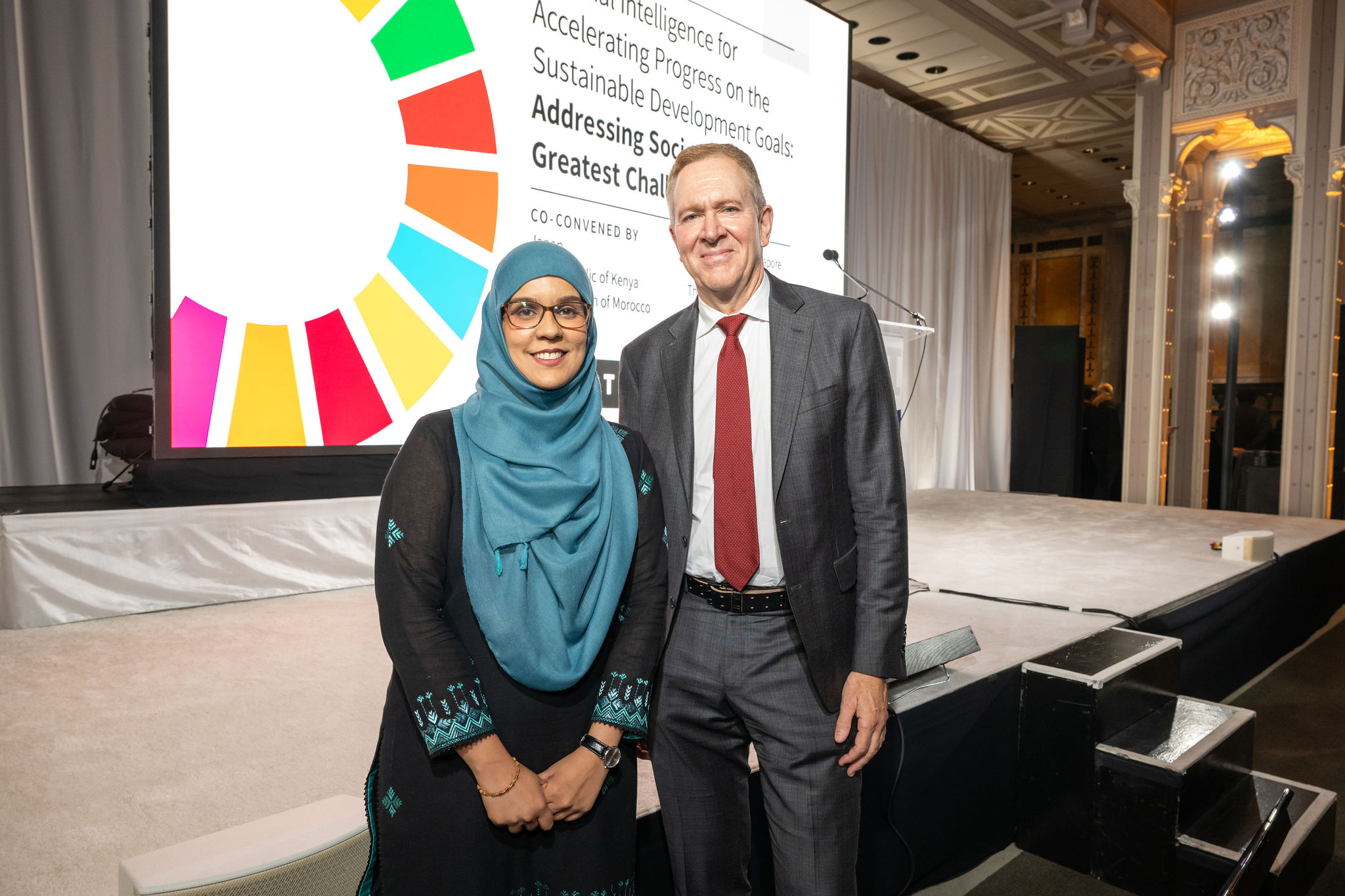
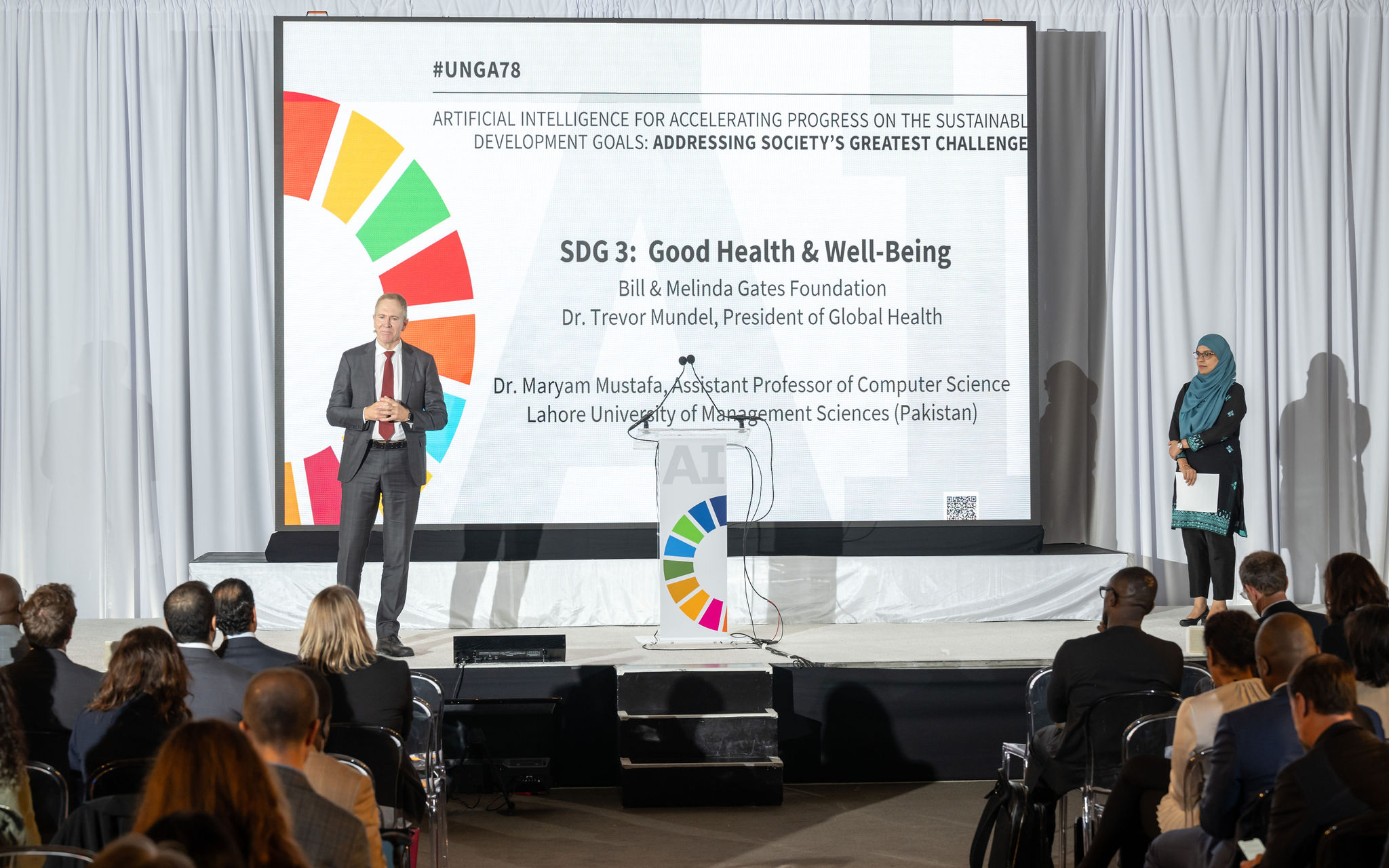
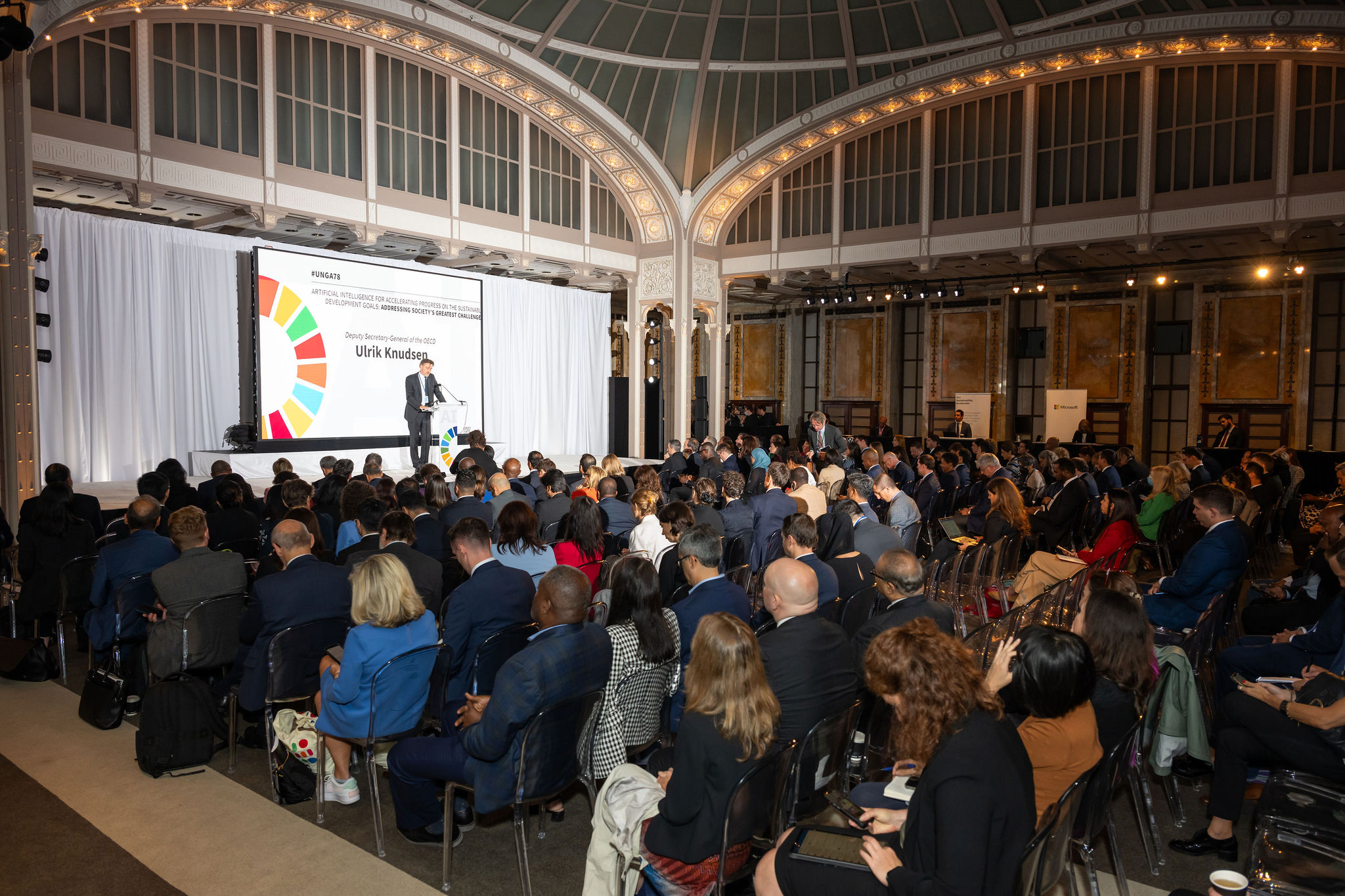
Dr. Maryam Mustafa, Director of the Saida Waheed Gender Initiative and Assistant Professor of Computer Science at LUMS, presented her project Awaaz-e-Sehat: Empowering Maternal Healthcare with Voice-Enabled Electronic Record Management at the 78th United Nations General Assembly on September 18. She participated in the session on “Artificial Intelligence for Accelerating Progress on the Sustainable Development Goals: Addressing Society’s Greatest Challenges.” The project was awarded a grant by the Bill and Melinda Gates Foundation under the Grand Challenges Catalyzing Equitable Artificial Intelligence (AI) Use initiative, selected from over 1,300 global proposals. Her co-researchers include Dr. Hassan Mohy Ud Din (LUMS), Dr. Beena Ahmed (UNSW), and Dr. Fozia Umber (Shalamar Hospital).
The project addresses critical gaps in maternal healthcare in Pakistan, where the absence of structured medical records for expectant mothers limits accurate diagnosis and personalized care. Socio-economic and lifestyle factors further complicate maternal health outcomes, highlighting the need for systematic data capture.
Awaaz-e-Sehat is a voice-enabled, mobile-based conversational AI system designed to support maternal healthcare workers in creating structured electronic medical records. The system captures audio responses in multiple languages, processes them through speech and text recognition modules, and converts them into structured Urdu electronic records using predefined templates.
The solution will be piloted and evaluated at Shalamar Hospital, Lahore, where healthcare workers will use the system to collect data from approximately 500 patients to assess usability and effectiveness in clinical settings.
The project is driven by Pakistan’s high maternal mortality ratio of 186 deaths per 100,000 live births, significantly above global averages. Limited digital infrastructure in healthcare settings further underscores the urgency for scalable, low-resource solutions.
The long-term objective is to deploy Awaaz-e-Sehat across maternal healthcare facilities nationwide, improving patient care delivery while generating structured datasets to support future AI-driven diagnostic tools and maternal health interventions.